Table of Contents
You’ve probably heard friends talking about feeling more energetic, sleeping better, or experiencing improvements in areas they’d rather not discuss in detail. Many people are interested in peptide therapy as a potential approach to addressing concerns ranging from low energy and poor sleep to intimate wellness concerns and signs of aging.
Peptides represent a fascinating area of wellness medicine that works with the body’s existing systems. Unlike synthetic hormones or many conventional medications, peptides are naturally occurring compounds that the body already recognizes and uses. Understanding how this approach works can help you make informed decisions about different wellness options.
The growing interest in peptide therapy isn’t just a trend – it’s based on ongoing research into how these compounds interact with the body. Understanding what peptide therapy involves and what it can realistically achieve helps you better evaluate its potential role in wellness.
Understanding Peptide Therapy: Your Body’s Natural Communication System
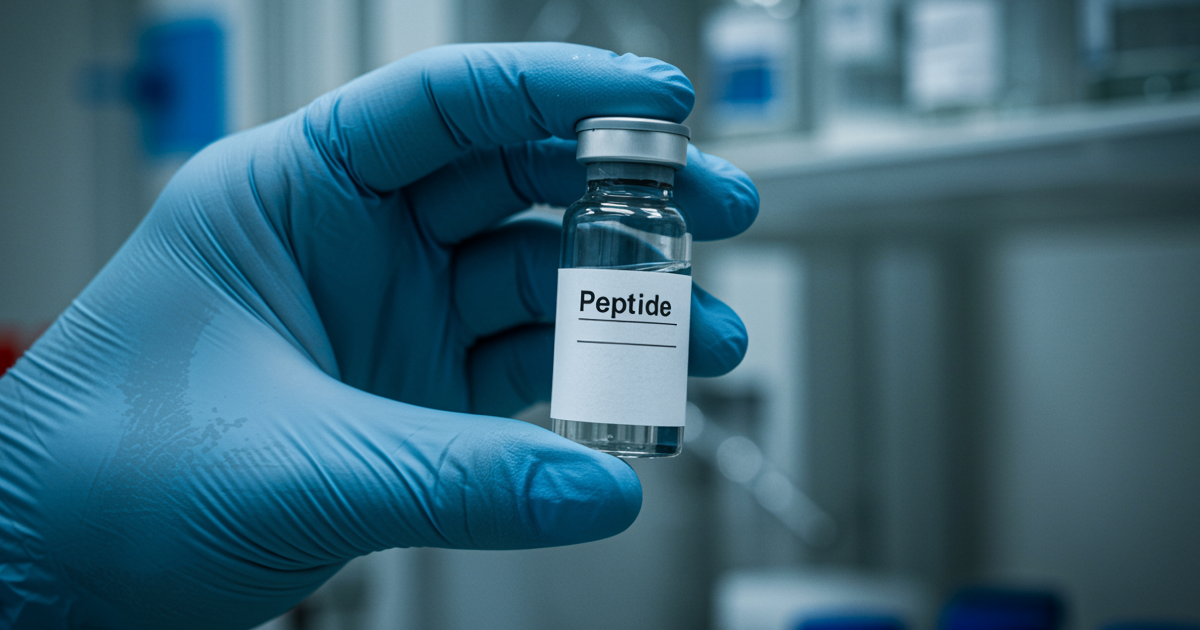
Peptide therapy explained begins with understanding what peptides actually are. Think of peptides as messengers in your body – they’re short chains of amino acids that tell your cells what to do. Your body naturally produces thousands of different peptides, each with specific functions such as regulating hormones, supporting immune function, or promoting healing.
As we age, our natural peptide production can decline, leading to various wellness concerns. Peptide-based approaches may work by supplementing or influencing these natural messengers, helping support processes involved in normal bodily function.
Unlike traditional medications that often work by blocking or forcing processes, different peptides interact with specific biological pathways. The effects and potential side effects can vary considerably depending on the specific peptide, dosage, and individual.
Different peptides target different areas of wellness. Some focus on growth and repair, others on metabolic function, sleep regulation, or intimate wellness. This specificity is one reason peptide research encompasses a wide range of potential applications.
Potential Benefits and Uses of Peptide Therapy
Peptide therapy has attracted interest for a variety of wellness goals. The potential effects depend on the specific peptide being studied and the individual using it. Areas of interest include:
Increased Libido and Desire: Certain peptides, including PT-141 (bremelanotide), have been studied for their effects on sexual desire and arousal.
Sexual Wellness: Some peptides interact with neural pathways associated with sexual arousal rather than acting solely through blood flow.
Support for Hormonal Shifts: Peptide research includes potential applications related to hormonal changes, although individual responses and appropriate uses vary.
Physical Recovery and Sleep: Some peptides are being studied for their possible roles in tissue repair, recovery, and sleep-related processes.
Metabolic Function: Certain peptides have also been researched for their effects on appetite, metabolism, and other processes involved in metabolic health.
Because different peptides act through different pathways, their potential benefits, limitations, and safety considerations should be evaluated individually.
Who May Consider Learning About Peptide Therapy?
Peptide therapy is an area of interest for people exploring different approaches to wellness. It may be particularly relevant to those who are:
- Experiencing changes in energy, sleep, or overall well-being
- Interested in learning about options for sexual wellness
- Navigating perimenopause or menopause and experiencing changes in intimate wellness
- Interested in how peptides may influence specific biological pathways
- Exploring treatment options after other approaches have provided limited results
A person’s suitability for a particular peptide depends on factors such as medical history, current medications, symptoms, and the specific compound being considered. Not every peptide is appropriate for every person.
What to Know About the Treatment Process, Timeline & Results
The experience associated with peptide therapy can vary depending on the specific peptide, how it is administered, and the reason it is being considered. Some peptide-based treatments are administered by injection, while others may have different routes of administration.
Assessment: A qualified medical professional may review health history, current symptoms, medications, and wellness goals before determining whether a particular peptide is appropriate.
Administration: When injectable peptides are used, administration typically involves a small injection. The method and frequency depend on the specific treatment.
Onset and Results: The timing of effects varies considerably between peptides. Some may produce noticeable effects relatively quickly, while others are intended to influence biological processes over a longer period. Results also vary from person to person.
Post-Treatment Considerations: Aftercare and precautions depend on the specific peptide and method of administration. Following individualized medical guidance is important for minimizing potential risks and side effects.
Understanding the expected timeline, potential benefits, and limitations of a particular peptide can help set realistic expectations.
FAQs: What People Are Asking About Peptide Therapy
Does peptide therapy have side effects?
Potential side effects vary depending on the specific peptide. Some peptide treatments may cause effects such as nausea, flushing, headache, irritation at the injection site, or other symptoms. The potential risks should be reviewed before starting any treatment.
Is PT-141 safe for both men and women?
PT-141, also known as bremelanotide, has been studied for sexual arousal-related concerns. Whether it is appropriate depends on the individual, their health history, medications, and the specific indication being considered. A qualified medical professional can explain potential benefits and risks.
How much does peptide therapy cost?
The cost of peptide-based treatment can vary depending on the specific peptide, dosage, method of administration, monitoring requirements, and duration of use. Because treatment plans differ, pricing is not the same for every person.
Understanding the Role of Peptides in Wellness
Peptide therapy represents a developing area of wellness and medical research that focuses on how short chains of amino acids interact with biological pathways. Different peptides may be investigated for areas including healing, energy, sleep, metabolic function, and intimate wellness.
The personalized nature of peptide-based treatment means that the appropriate option depends on the specific goals, health history, and circumstances of the individual. Peptides are not a one-size-fits-all approach, and their potential benefits and risks should be considered carefully.
As research continues, understanding how individual peptides work, what they have been studied for, their potential side effects, and what to expect from treatment can help people make more informed decisions about their health and wellness.
Consult a qualified medical professional to determine whether a particular peptide-based treatment is appropriate for your individual needs.