
Table of Contents
If you notice a faint line on your forehead or a crease between your brows in your 20s or 30s, it can be surprising. Usually, this is just how skin moves and not a sign of early aging. Understanding why it happens can help you decide what to do next.
At The Confidence Collective, we talk with many patients in their 20s and 30s about Botox. Whether it’s a good fit depends more on your facial muscles than your age.
Is Botox A Good Choice For Fine Lines In Your 20s Or 30s?
For many people, treating dynamic lines early- those that show up with facial movement and fade when you relax- can be a gentle, sensible option. It often uses less product and helps you keep a natural look, but it won’t stop all future lines and isn’t necessary for everyone.
Why Fine Lines Can Show Up This Early
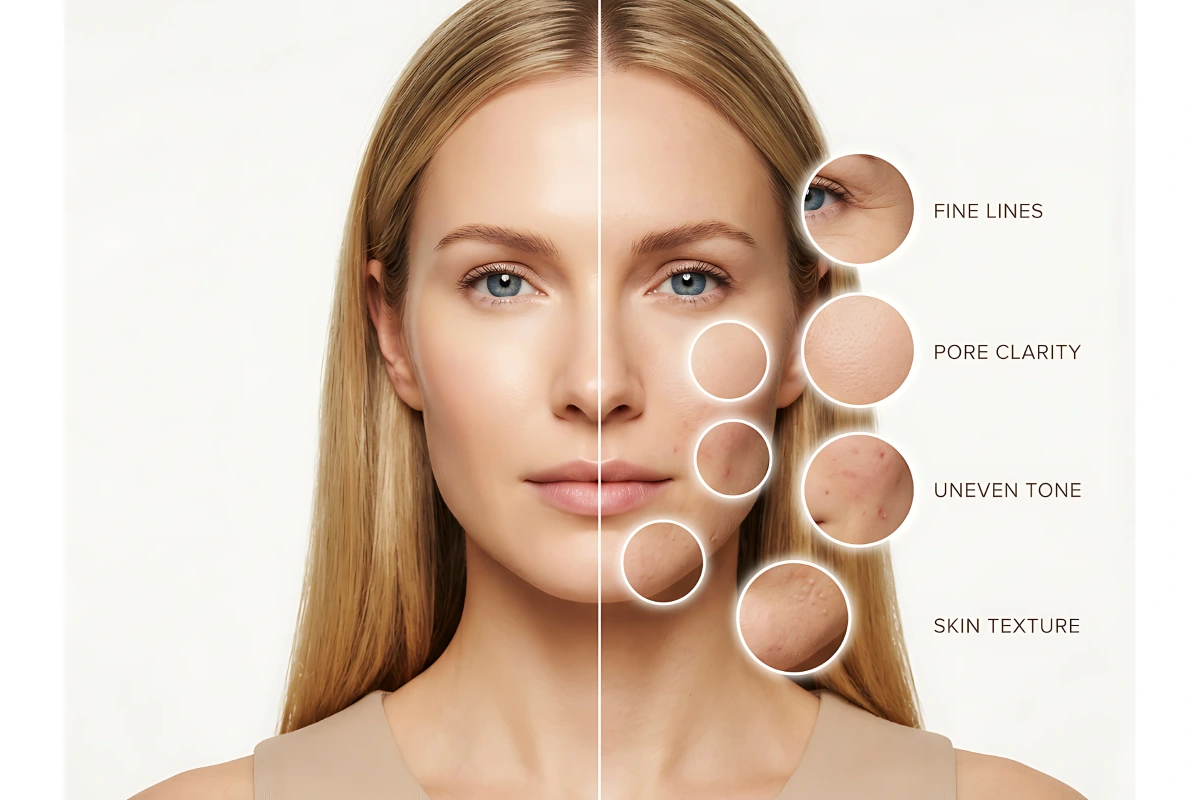
The fine lines you notice in your 20s or 30s are usually dynamic lines. These appear when you make a facial expression and fade when your face relaxes. Static lines, which stay even when your face is at rest, usually show up later in life.
Several factors can cause this at a younger age:
- Repeated muscle movements from smiling, squinting, or raising your eyebrows many times, which usually has a bigger impact than collagen loss at this age
- Genetics and skin type, which influence how much your skin shows these movements
- Habitual expressions, which help explain why two people the same age can look different
Is Botox Actually Appropriate at This Age?
This is the main question. Botox is approved for adults, but age alone doesn’t determine if it’s right for you. What matters most is whether your lines are dynamic and if you have realistic expectations about early treatment.
A provider should look at how your facial muscles move, not just your age. That’s why Botox for fine lines at this stage always starts with a careful look at your unique facial movements, rather than assuming everyone in their 20s or 30s needs it.
Why Treating Dynamic Lines Early Can Be a Smart Approach
This directly answers the “why is it smart” part of the title. Dynamic lines that form repeatedly over years can eventually become visible even when your face is at rest, turning into static lines that are harder to soften. Relaxing the underlying muscle earlier reduces that repeated folding, which is part of why some providers describe Botox for early aging as supportive of how skin looks over the long run.
It’s worth being direct about the limits here. This approach does not guarantee lines will never form, and it isn’t a substitute for basic skincare or sun protection. It simply addresses one factor, repeated muscle movement, among several that shape how your skin ages.
What “Preventative” Botox Actually Means
The term ‘preventative Botox’ comes up often, so it’s helpful to explain. It usually means using a lower, more careful dose to soften early dynamic lines, not to stop your expressions. You’ll still be able to look surprised, concerned, or happy, just with less deep folding of the skin.
Here are a few things to know about this approach:
- It is not a guarantee against future lines
- Results still require ongoing maintenance over time, the same as any Botox treatment does
- It differs from treating deeper, more established lines, which may call for a different dosing strategy entirely
Who Is and Isn’t a Good Candidate at This Age
Botox is often a good choice for adults who notice early dynamic lines and want a subtle, natural look instead of a big change. Still, it’s not necessary for everyone in their 20s or 30s, since not everyone gets noticeable dynamic lines at this age.
A consultation is where a provider actually assesses your facial muscle movement and anatomy, rather than assuming treatment is needed simply because of your age. This is also where we talk through prevent wrinkles 20s 30s goals honestly, including whether waiting and monitoring might make more sense for your specific face.
What to Expect If You Start Botox at This Age
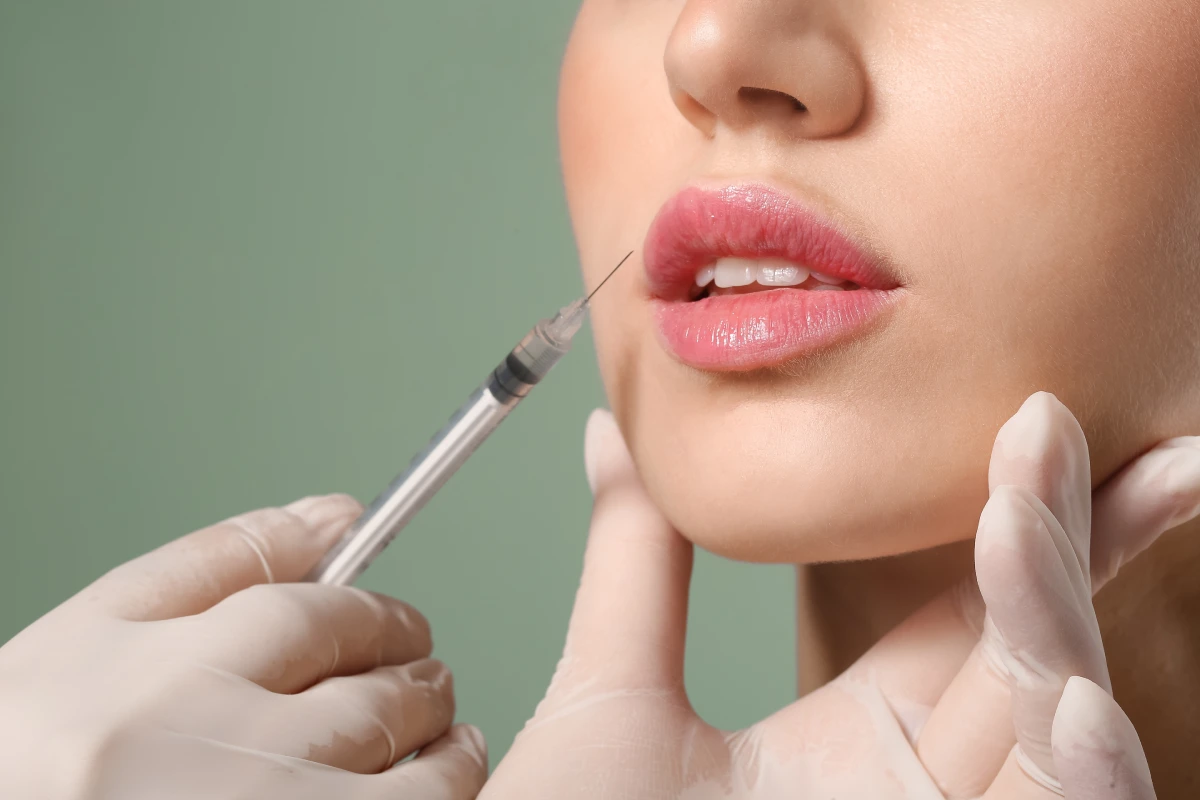
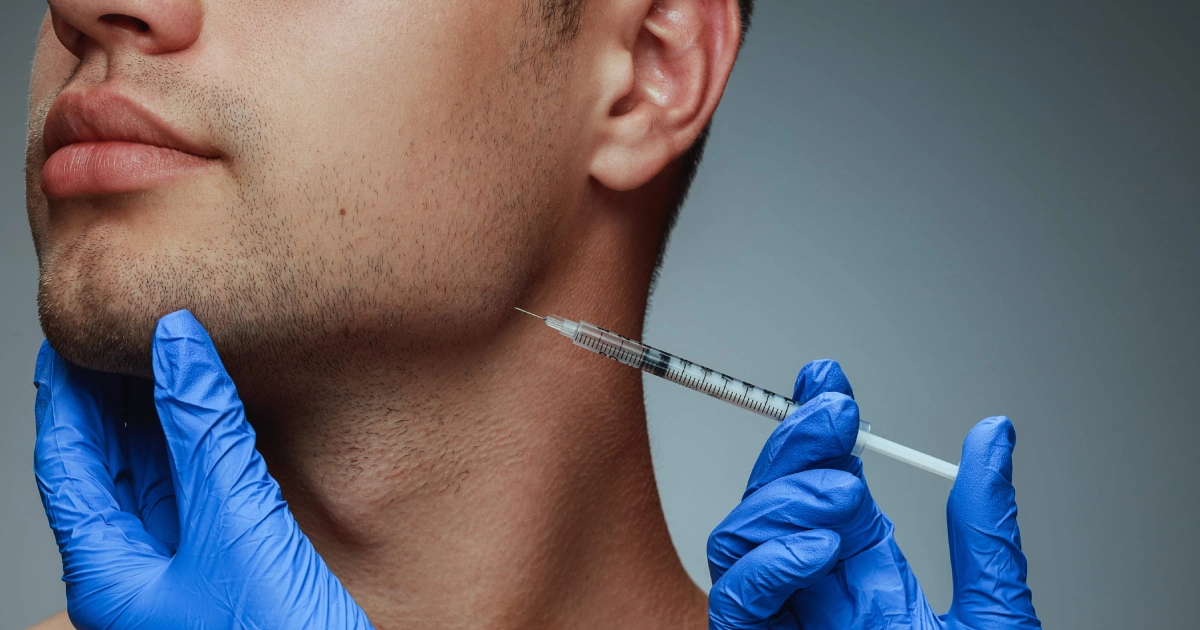
Treatment involves small, precise injections in specific muscles, based on how your face moves. It’s not a one-size-fits-all approach. Here are a few basics to know:
- Results typically begin appearing within several days
- The full effect is usually visible by around two weeks
- Regular treatments every few months are usually needed to keep results, since one appointment won’t provide a permanent fix
This is a normal part of how anti-aging injections work at any age, not something unique to starting earlier in life.
Frequently Asked Questions
Is Botox safe for someone in their 20s or 30s?
Yes, when it’s right for you. Botox is approved for adults, and safety depends more on the provider’s technique and dosing than on your exact age.
How long do results last at this age?
Results usually last three to four months, but this can vary based on factors like dosage, metabolism, and muscle strength.
Will starting early mean needing more treatment over time?
Not necessarily. Many people maintain their results with treatments every few months, no matter when they start. Starting early doesn’t mean you’ll need more visits later.
Will Botox make my face look frozen or unnatural?
Not if it’s done carefully. A provider who uses precise, personalized dosing can soften early dynamic lines and still keep your natural facial expressions, rather than stopping movement completely.
Ready to Talk Through Your Options?
Noticing fine lines earlier than you expected doesn’t automatically mean you need treatment, but it’s worth understanding what’s actually happening and what your realistic options are. Fine lines treatment at this stage is really about having an honest conversation, not jumping straight to a decision.
At The Confidence Collective, we offer a facial aging solution in Sioux Falls, SD, built around your specific muscle movement and goals, not your age alone. If you’re ready to talk it through, contact us today.
Book your Botox treatment now. Find out what approach actually makes sense for you.